Ferrari Review of the Movie Racing Legends Brought to Life. I watched the movie ‘Ferrari’. It was a spiritual experience. I don’t pretend to compete with all the words written about the man and his cars or the movie itself. I only have my observations. Something depicted in the film and my reading was Enzo caring more for his cars than his drivers and listening to the greats like Mario Andretti who talked about a drivers’ meeting and looking around the room and wondering who was going to be there at the end of the year. Also in the 1971 film ‘Le Mans’ actor and racer, Steve McQueen tells the widow of another driver, “It’s a bloodsport”.
And so it was back then. 1971 isn’t 1957 but still incredibly dangerous.
I can only look at the tires and open wheel – no brakes – and just shudder at the thought. More than anything I can’t understand their headgear, I remember watching Motorcross in the ‘70 and there were still some wearing the half–moon helmet that only covered the top half of your head. If I remember right these had a habit of coming off in an accident, we referred to them as a blood bucket. To any motorcycle rider without a helmet, I say, “Where’s your helmet?”. I would say the same to the racers in the Mille Miglia but the technology just wasn’t there or life was cheap.
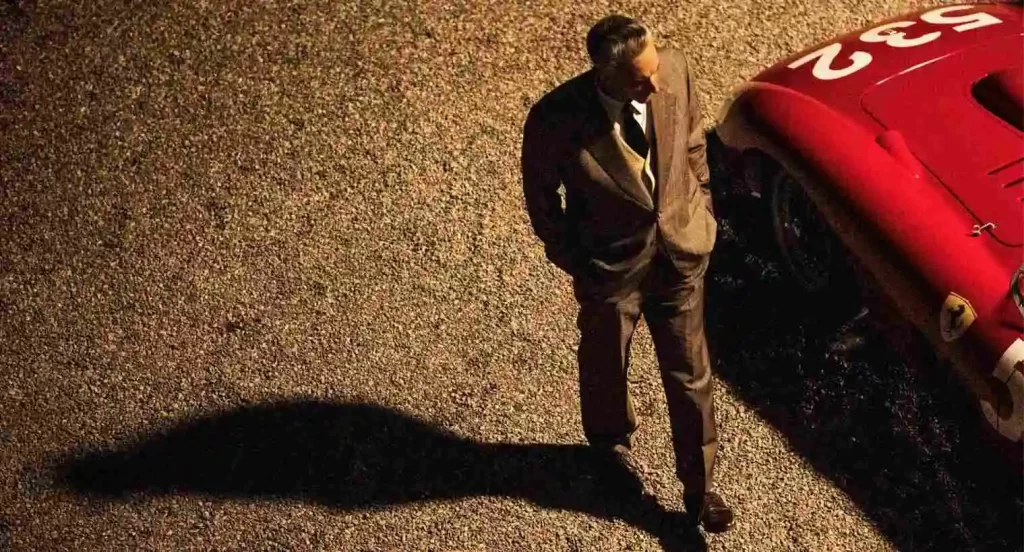
For a gearhead is there anything more attractive than the sound of the V 12 and the red Ferrari body? The Mille Miglia – it’s not a wonder a driver would put himself in harm’s way to drive one of these cars through the towns and the switchbacks and the two-lane country roads. But like Icarus, they ignored Daedalus and flew too close to the sun.
[master_ads zone=”text_link_bold”]
Leave a Reply